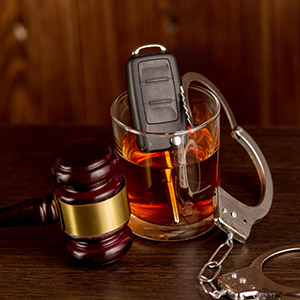
In Texas, you have a legal right to refuse to consent to a DWI test – a blood test or a breathalyzer test. Many people think that if they refuse the blood alcohol or breathalyzer test when the officer asks them on the road, and they wait to get tested later, their blood alcohol level will be lower by then. They hope it's low enough to beat the DWIcharge. (They don't realize that by refusing the test their license will automatically be suspended for 180 days if it's a first refusal, and for two years if they've refused previously.) “No Refusal” Weekends You may have seen signs on the roadway or heard it advertised on the radio: “No Refusal Weekend.” In order to reduce drunk driving accidents during times when alcohol consumption tends to be high, Texas law enforcement has created “No Refusal” periods. You will see these announced for holidays – New Year's Eve, Labor Day, 4th of July, Memorial Day, Halloween, Thanksgiving and Christmas – as well as around big events like football…Read More

Gov. Greg Abbott recently signed HB 1927 into law, making it legal on September 1, 2021, for anyone in Texas, aged 21 and over, to legally carry a handgun without getting a state license (unless they are excluded from possessing a firearm by state or federal law). A background check is still required to purchase a firearm. Handguns are the only type of gun that required state licensure. People are allowed to carry shotguns and rifles and in public places without a license. This new law does away with: The need to get a license for a handgun The requirement for up to 6 hours of training The need to take a written exam The need to demonstrate shooting proficiency Opportunities for Expungement If you were convicted of the offense of unlawful carry of a handgun (Penal Code 46.02(a)) prior to September 1, 2021, you can seek an expungement. Guns Not Allowed Everywhere Although you can carry a concealed or unconcealed weapon in many public places, there are some places where you cannot carry a…Read More

Texas Family Code defines a child as a person aged 10 to 17. In the Texas criminal justice system, children under age 10 cannot be prosecuted for a crime but they could be provided with services if the state feels that's needed to help them stay out of the juvenile justice system. 17-yr-olds facing charges for a crime committed beforethey turned 17 – a crime that would be defined as delinquent conduct or conduct indicating a need for supervision – are also charged in juvenile court. But after a child turns 17, they are now involved with the adult justice system. Texas is one of only three states that charge 17-year-olds as adults. The Texas Criminal Justice Coalition has been campaigning for a number of years to raise the ageat which a child can be tried as an adult to 18. House Bill 967 and Senate Bill 1552, introduced in the 2021 legislative session, would have done just that. Unfortunately, the legislative session ended with no action taken. The vast majority of crimes committed by…Read More
In April 2019, we blogged about how the lack of rules for the collection of people's images for inclusion and use by facial recognition software. Privacy advocates were raising concerns about the high potential for misuse of this powerful technology. Criminal defense lawyers saw the potential for more wrongful arrests. Providers of facial recognition services, like Clearview AI, “scrape” images from the internet and social media websites like Facebook, YouTube, Twitter and LinkedIn, without the permission of the site or the users. They then sell access to their image databases and search technology to law enforcement agencies, from the FBI, to highway patrol, to local police departments. Your Face is in a Database Most citizens would be surprised to learn more than 117 million American adults – more than half the adult population – has had their image catalogued in law enforcement facial recognition networks, according to a 2016 study by Georgetown Law. In 2016, Texas police had the ability search 24 million mugshots in the FBIs database, as well as 24 million drivers' license…Read More
Prosecutors use eyewitnesses to: Identify suspects, Piece together the events that led up to an incident or a crime, Shed light on motives or the emotional state of the people involved. The testimony of an eyewitness to a crime carries a lot of weight with a jury and a judge. It can be the crucial piece of evidence that gets a conviction. Sometimes the entire case rests on eyewitness testimony. Unfortunately, eyewitness accounts can be wrong. According to the Innocence Project, since 1989 mistaken identification by an eyewitness played a role in 69% of the wrongful convictions that the group helped overturn through the use of DNA. Witnesses can be very sure of themselves, very confident that they remember every detail, but the truth is human memory can be quite fragile. We remember things best soon after an event has occurred, but the more time goes by, the harder it is to recall the details. The physical conditions at the time of the incident also have a big impact. Humans are also vulnerable to “memory contamination.”…Read More

Probation is a tool used in the juvenile justice system to help kids learn and grow after a mistake. Is your child facing probation? Hopefully, we can give you some peace of mind by explaining what you can expect. What Is Juvenile Probation? Juvenile probation is a court order that allows your child to return to their normal activities under the supervision of a probation officer. In most cases, probation is an alternative to jail time but may be accompanied by fines and community service, depending on the severity of the crime. The length of time your child will be on probation will also vary depending on the crime committed. During this time, your child will have specific responsibilities and requirements that must be met. Some of these may include: School and work attendance Periodic drug testing Meetings with a probation officer Curfews Counseling or drug treatment What Happens If My Child Violates Probation? The requirements of your child's probation must be followed to avoid probation violations. Unfortunately, violations will require your child to go…Read More

As a parent, finding out your child has potentially committed a crime can feel overwhelming. And although you may know that your next best step is to find an attorney, how do you choose when there are so many options available? First, take a deep breath—there are plenty of highly qualified juvenile attorneys out there ready to support you and your child. Here are some tips to help you find the right match. Start by Researching Attorneys in Your Area A quick online search of juvenile attorneys in your area should bring up some options. Start compiling a list of names as well as their contact information, so you have what you need to reach out later. It's also a good idea to ask trusted family members or friends for their recommendations. You can also try online attorney directories such as Justia or FindLaw. The Consultation: Questions to Ask a Juvenile Defense Attorney After compiling a list of potential attorneys, it's time to make the call. Most attorneys offer a free consultation where both of…Read More
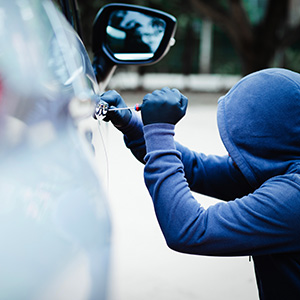
Some juvenile crimes start as innocent mistakes such as taking a quick ride around the block in mom or dad's car. Unfortunately, joyriding is a crime just like vehicle theft. Yet, there are specific differences between the two. What Is Joyriding? Unauthorized use of a motor vehicle, also known as joyriding, happens when your child operates a vehicle without consent. For example, your teen may decide to sneak out at night and take your vehicle for a quick trip with friends without your consent. Being unaware of your teen's trip, you may suspect theft and call the police. Once your teen is caught, they could be charged with a joyriding crime. Joyriding & Theft Intent The main difference between joyriding and theft is intent. Joyriding involves an individual who simply wants to borrow the vehicle with every intent of bringing it back. Theft occurs when a teen takes a car or other vehicle with the intent of keeping it. The Penalties for Joyriding vs. Vehicle Theft Another difference lies in the penalties for joyriding and…Read More

In juvenile law, there are a few crimes that are more common than others, such as possession of drug paraphernalia, petty theft and vandalism. The latter is included in criminal mischief, a specific group of offenses with its own consequences. If your child is facing a criminal mischief charge, it's important to understand what that actually means. What Is the Definition of Criminal Mischief? According to Texas law, a person commits criminal mischief if, without consent of the owner of the property, they: Intentionally damage or destroy the property Intentionally tamper with the property and cause loss or inconvenience Intentionally make markings on the property There are many types of criminal mischief. For example, your child can be charged by: Spraying graffiti on someone else's property Damaging a car by keying Entering a vacant home, warehouse or other private property Entering a school after hours or illegally Breaking the windows and doors on a vacant home or building The Consequences of Criminal Mischief in Texas The consequences of committing criminal mischief can range from misdemeanors…Read More

Electronic cigarettes, also known as e-cigarettes or vape pens, are increasingly popular. Unfortunately, many juveniles use vape pens throughout Texas. And not only are these vape pens dangerous, but they're also heavily regulated, just like other drug paraphernalia. Has your child been caught with a vape pen? If so, it's important that you understand Texas law to better prepare for what comes next. Vape Pens: Understanding the Law in Texas In Texas, the purchase, possession and use of e-cigarettes are prohibited by those under 21 years of age, unless a person is at least 18 and has a US or state military ID card. The use of e-cigarette or vapor products is also prohibited at school and before or after-school programs. This means vape pens are not to be used on the premises, playground, buses or during field trips. If your minor child is caught with a vape pen or e-cigarette used for inhaling tobacco products, the offense is punishable by a fine up to $100. Juvenile Drug Charges If traces of THC from the…Read More


