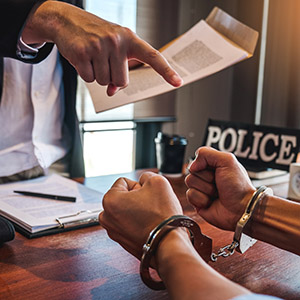
Prosecutors use eyewitnesses to:
- Identify suspects,
- Piece together the events that led up to an incident or a crime,
- Shed light on motives or the emotional state of the people involved.
The testimony of an eyewitness to a crime carries a lot of weight with a jury and a judge. It can be the crucial piece of evidence that gets a conviction. Sometimes the entire case rests on eyewitness testimony.
Unfortunately, eyewitness accounts can be wrong. According to the Innocence Project, since 1989 mistaken identification by an eyewitness played a role in 69% of the wrongful convictions that the group helped overturn through the use of DNA.
Witnesses can be very sure of themselves, very confident that they remember every detail, but the truth is human memory can be quite fragile. We remember things best soon after an event has occurred, but the more time goes by, the harder it is to recall the details.
The physical conditions at the time of the incident also have a big impact.
Humans are also vulnerable to “memory contamination.” The way a lineup is conducted, the way a question is asked by the police – subtle and not-so-subtle actions by law enforcement can influence people’s memories. That’s the conclusion reached by Professor Keith A. Findley in a paper published in the Missouri Law Review.
Providing a Strong Defense in the Face of Eyewitness Testimony
In a jury trial, the decision of whether a witness is believable or not is left to the jury. If a witness has presented damaging “evidence,” it’s the job of the McKinney, Texas criminal defense attorney to question the accuracy of that evidence and the credibility of the witness.
- Was the witness actually able to see or hear what occurred? Were they too far away? Was the lighting inadequate? Was there too much noise?
- Has their eyewitness testimony been consistent or did it change over time? What did they say first and what are they saying now?
- How might the witness have been influenced by something the police said, or something they saw or read in the media (especially in a high-profile case)?
- Might there have been pressure on the witness to tell or to change their story?
- Were the witness’ actions consistent with what they are saying?
- Does this witness have an ulterior motive or a financial interest in the case?
- Does the witness have a history of criminal activity that might make them less credible?
Cross examination of witnesses is an art and a science. Your lawyer will talk with you about the defense strategy to pursue in your case. Contact Texas criminal defense attorney Matthew Maddox at (972) 427-5473 or online to talk about your criminal case.

Call For A Free Consultation
(972) 427-5473


